Deep diveHumanoid use cases
Walking humanoids vs. wheeled torsos: where each wins
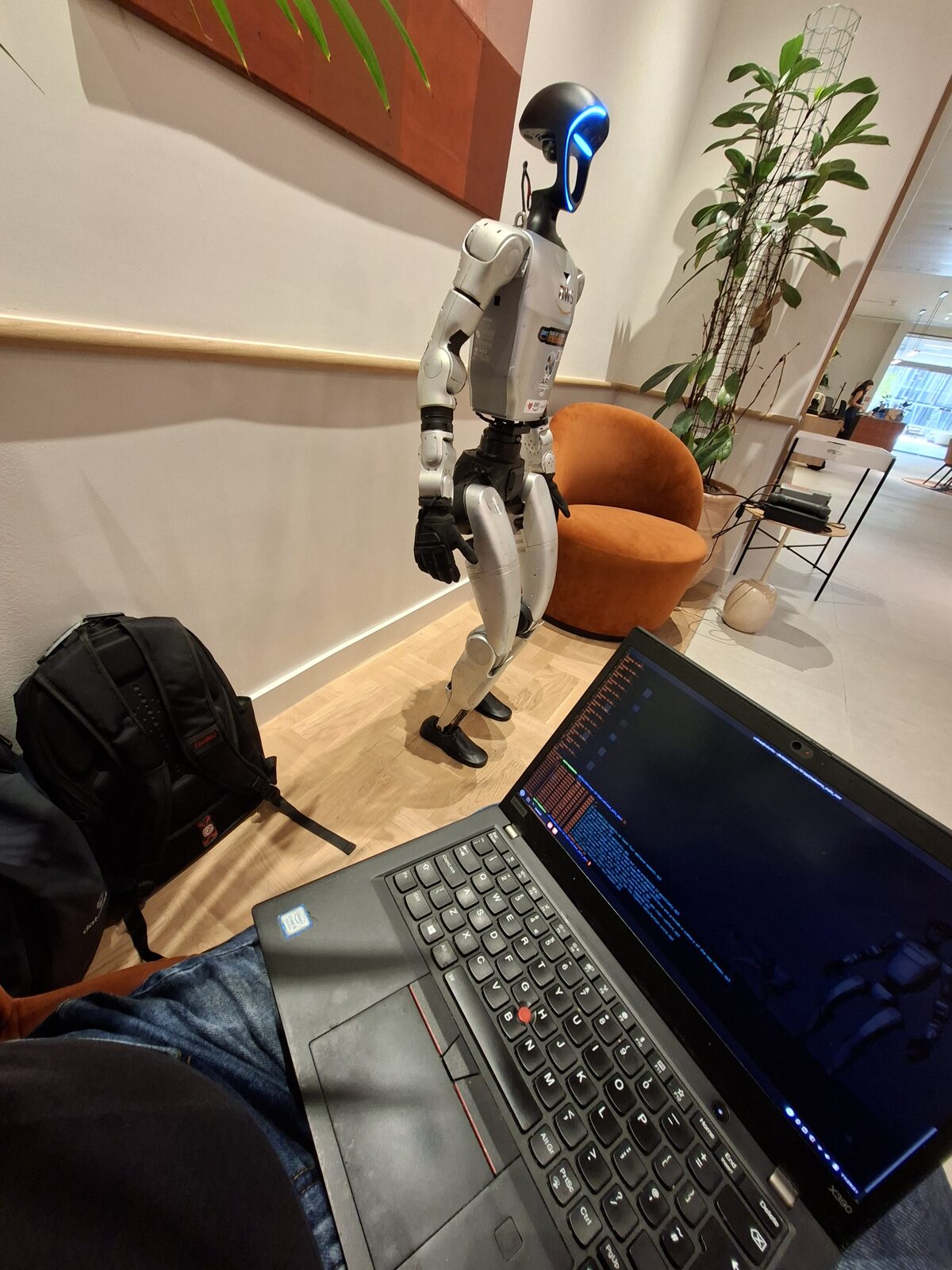
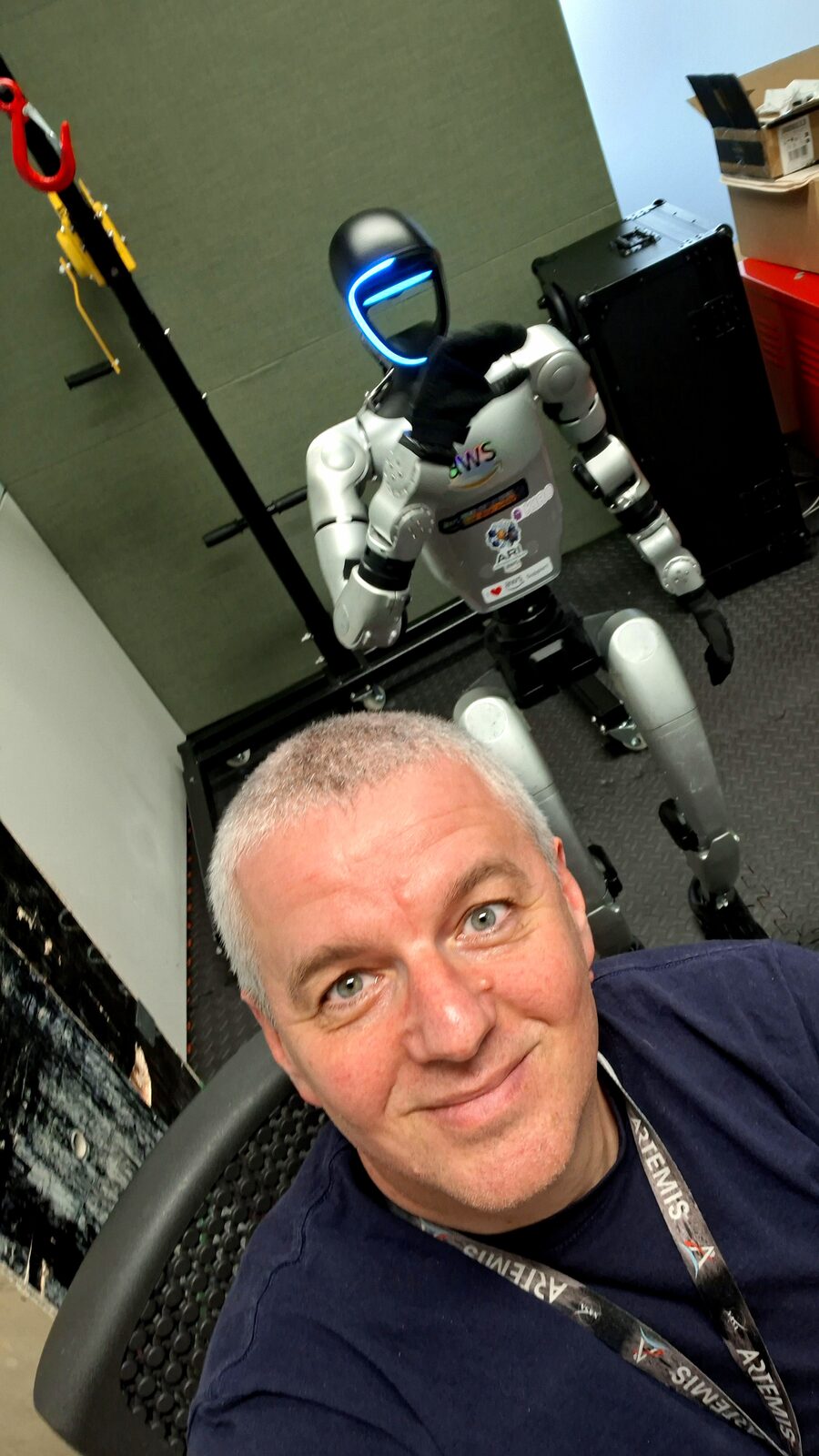
Walking (bipedal) humanoids. Right for environments built for humans: stairs, uneven terrain, mixed indoor/outdoor sites, and demonstrations where human-like presence matters. The cost is real: slower top speed, tight battery budgets, balance-critical motion, and higher price per unit. Good fits: human-robot collaboration research, service/retail front-of-house, education and outreach, rehabilitation and gait studies, construction site assistance where terrain is unpredictable.
Humanoid torsos on wheeled bases. Right for flat-floor environments with heavy manipulation demands. Trades legs for runtime, payload, stability, and cost. Good fits: warehouse pick-and-place, hospital logistics and material transport, lab-automation and chemistry benches, reception and concierge, retail back-of-house, light assembly. Dramatically more stable for precision manipulation because the base isn't fighting balance control.
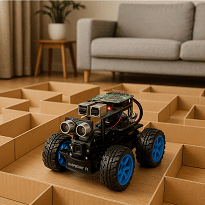
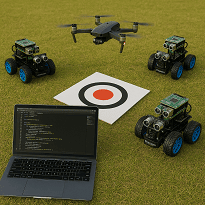
Mobile manipulators (arm on a base). Right when you don't need the human form factor at all. Lowest cost per deployed unit, longest uptime, easiest to integrate with existing floor plans and safety zones.
The point of first-hand experience is knowing when not to use a walking humanoid. Most warehouse and hospital use cases don't need legs, and buying legs you can't use is the single most common failure mode in humanoid procurement.